General CT (Computer Tomography)
- Home
- Our Services
- General CT (Computer Tomography)
Services
Indications
Your doctor may recommend a CT scan for:
- Suspected internal injuries following trauma or accidents
- Chest symptoms (for example, suspected pulmonary embolism or lung disease)
- Trauma to assess internal injuries
- Abdominal or pelvic pain (for example, appendicitis, kidney stones or diverticulitis)
- Cancer staging or follow‑up
- Unexplained symptoms where detailed imaging will help
What is a General CT Scan?
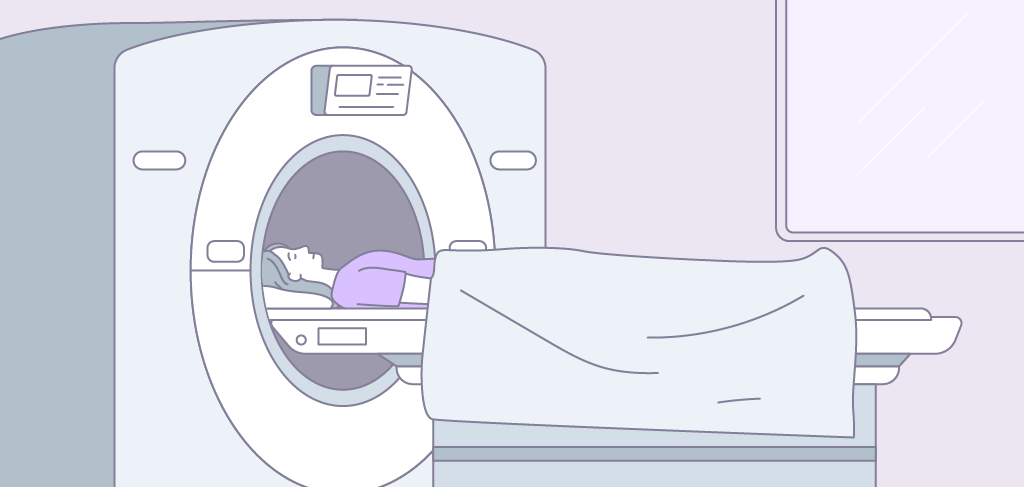
A CT scan is a detailed three‑dimensional X‑ray of the inside of your body. As you move through a short, open ring, the scanner takes many thin slices from different angles and a computer rebuilds them into clear cross‑sectional pictures of organs, blood vessels, bones and soft tissues. For some studies, an iodine‑based contrast injection is used to highlight blood vessels and organs so the pictures are even clearer.
What Can I Expect During the Test?
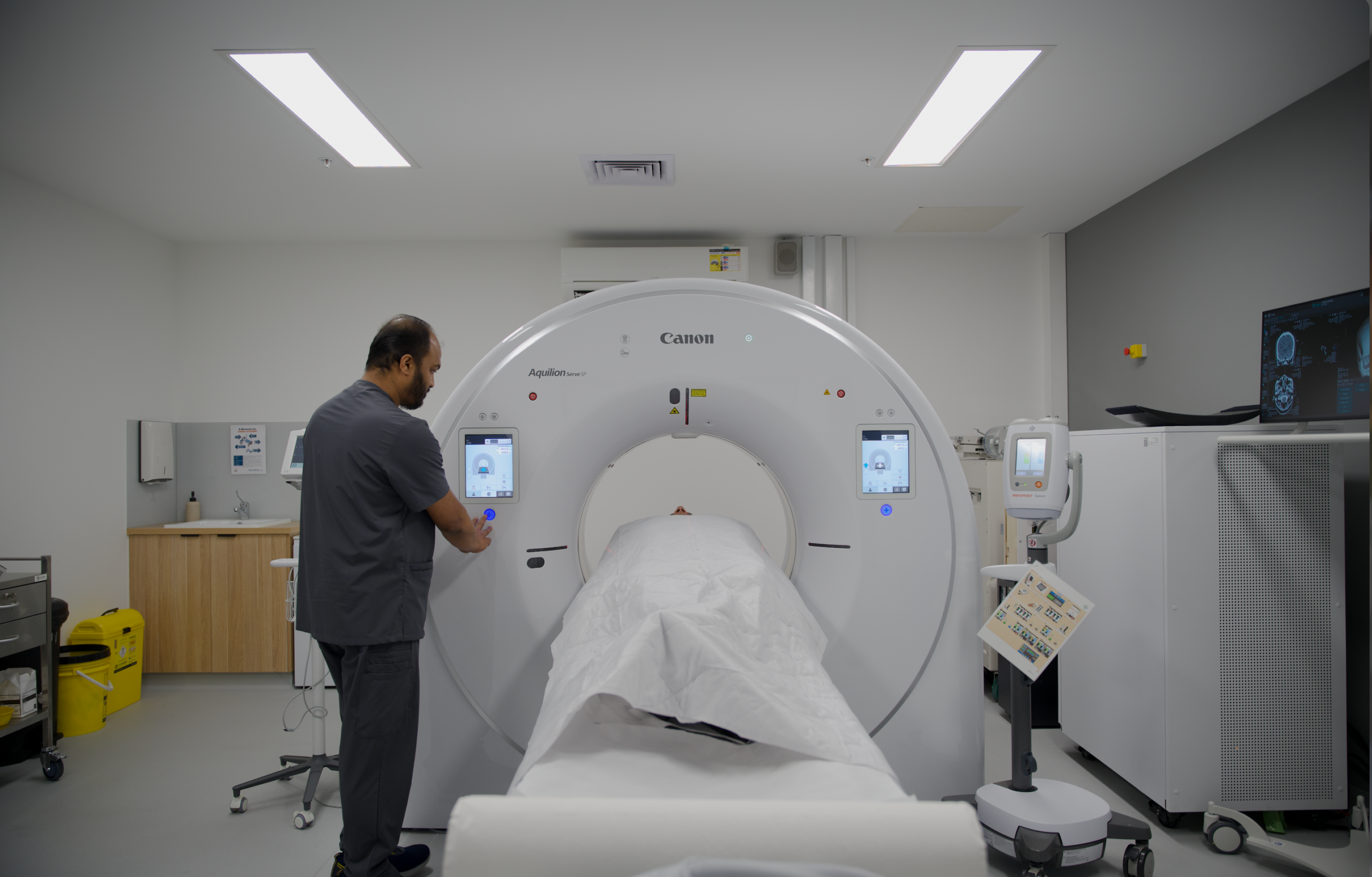
You will lie on a table that moves through the scanner. It is open at both ends and most people do not feel claustrophobic. You may hear gentle whirring sounds and will be asked to keep still and follow simple breathing instructions. If contrast is used, a small cannula is placed in your arm; during the injection you may feel a warm sensation or a metallic taste for about 30 seconds—this is normal. Most scans take 10–20 minutes; contrast‑enhanced studies may take a little longer.
What Are the Risks of the Test?
CT uses more radiation than a plain X‑ray. Scope Radiology uses ultra‑low‑dose CT protocols to keep exposure as low as possible while still getting high‑quality images. Reactions to contrast dye are uncommon; a doctor is on standby during contrast scans and our team is trained to treat any reaction promptly. Please tell us if you have kidney problems, diabetes, asthma, thyroid disease or a previous reaction to contrast so we can prepare safely. If you are pregnant or might be, let us know.
Preparation
(This test will take 10-30 minutes)
Fasting: If your scan uses contrast dye, do not eat for 2–4 hours beforehand; clear water is encouraged unless advised otherwise.
Medications: Take your usual medicines unless we advise you differently. If you take metformin or have kidney disease, tell us in advance—you may be asked to pause metformin and we may check a recent kidney blood test. We will give you written instructions if needed.
Hydration: Drink water before and after your scan, especially if you receive contrast dye.
Wear comfortable clothing without metal. Bring any recent kidney function blood tests if available.
Request an Appointment with Scope Radiology.
Call us or submit a request form to make an online booking.