- Home
- What is a CT Scan? What They Show and Why They’re Used?
What is a CT Scan? What They Show and Why They’re Used?
- March 13, 2026
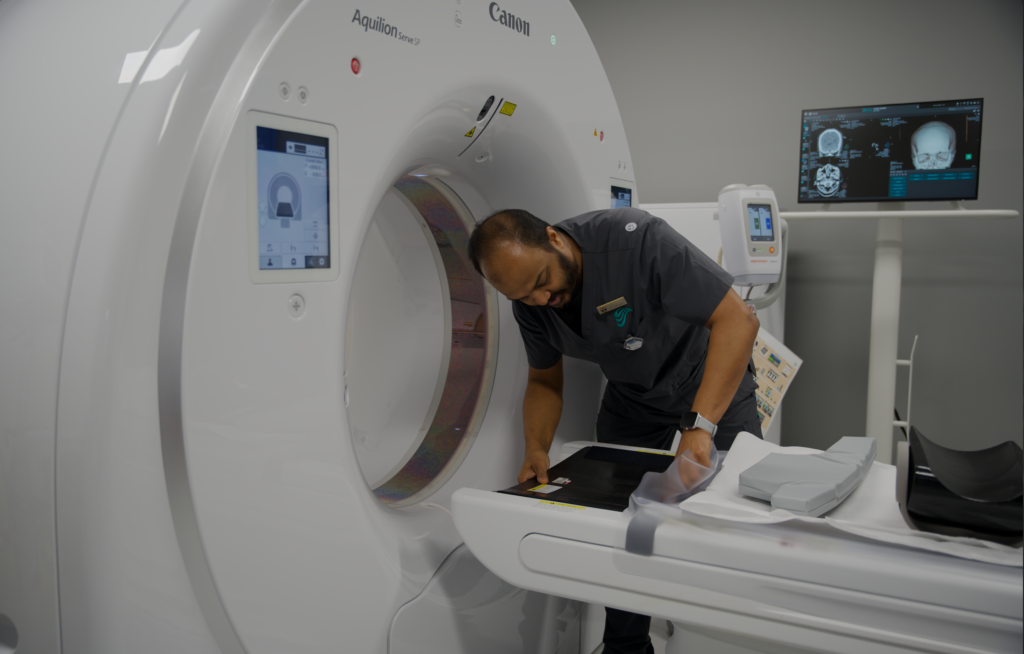
Computed Tomography (CT) scans are a powerful and sophisticated medical imaging tool that provides detailed cross-sectional images of your body. Unlike conventional X-rays, which produce 2D images, a CT scan uses a series of X-ray beams taken from different angles around your body. These images are then processed by a computer to create highly detailed 3D representations of bones, blood vessels, and soft tissues. At Scope Radiology in Clayton, Victoria, we utilize advanced CT technology to assist in the accurate diagnosis and management of a wide range of medical conditions.
How Does a CT Scan Work?
A CT scanner is a large, donut-shaped machine. You lie on a motorized table that slides through the opening. As the table moves, an X-ray tube rotates around you, emitting narrow beams of X-rays. Detectors on the opposite side of the scanner measure the X-ray beams that pass through your body. A computer then processes this data to generate cross-sectional images, or “slices,” of the area being examined. These slices can be viewed individually or stacked together to create a comprehensive 3D view.
Contrast Material
Sometimes, a contrast material (dye) is used to enhance the visibility of certain structures, such as blood vessels, organs, or tumors. This contrast can be given orally, rectally, or most commonly, intravenously (injected into a vein). If contrast is required for your scan, our staff will provide specific instructions and check for any allergies.
Common Uses of CT Scans
CT scans are incredibly versatile and are used across almost all medical specialties for various diagnostic purposes:
- Diagnosing Bone and Joint Problems: Detailed images of complex fractures, tumors, and degenerative conditions.
- Detecting Cancers: Identifying the presence, size, and location of tumors, and monitoring cancer treatment effectiveness.
- Assessing Internal Injuries and Bleeding: Rapidly evaluating trauma patients for internal bleeding or organ damage.
- Diagnosing Circulatory System Diseases: Such as atherosclerosis, aneurysms, and blood clots (e.g., pulmonary embolism) through CT Angiography (CTCA).
- Guiding Procedures: Assisting in biopsies, drainages, and other minimally invasive procedures.
- Evaluating Head and Spine: Detecting strokes, brain tumors, spinal injuries, and herniated discs.
Preparing for Your CT Scan
Preparation for a CT scan varies depending on the area being examined and whether contrast material is used. Our team will provide you with specific instructions, but general guidelines include:
- Fasting: If contrast is used, you may be asked to fast for a few hours before the scan.
- Medications: Continue to take your regular medications unless advised otherwise by your doctor.
- Clothing: Wear loose, comfortable clothing. You may need to remove jewelry, eyeglasses, and any metal objects, and potentially change into a gown.
- Allergies: Inform our staff about any allergies, especially to contrast dyes, iodine, or shellfish.
- Pregnancy: If there is any chance you could be pregnant, please inform your doctor and our radiographer immediately.
- Referral: Always bring your valid doctor’s referral to your appointment.
What to Expect During the Procedure
When you arrive at Scope Radiology Clayton for your CT scan:
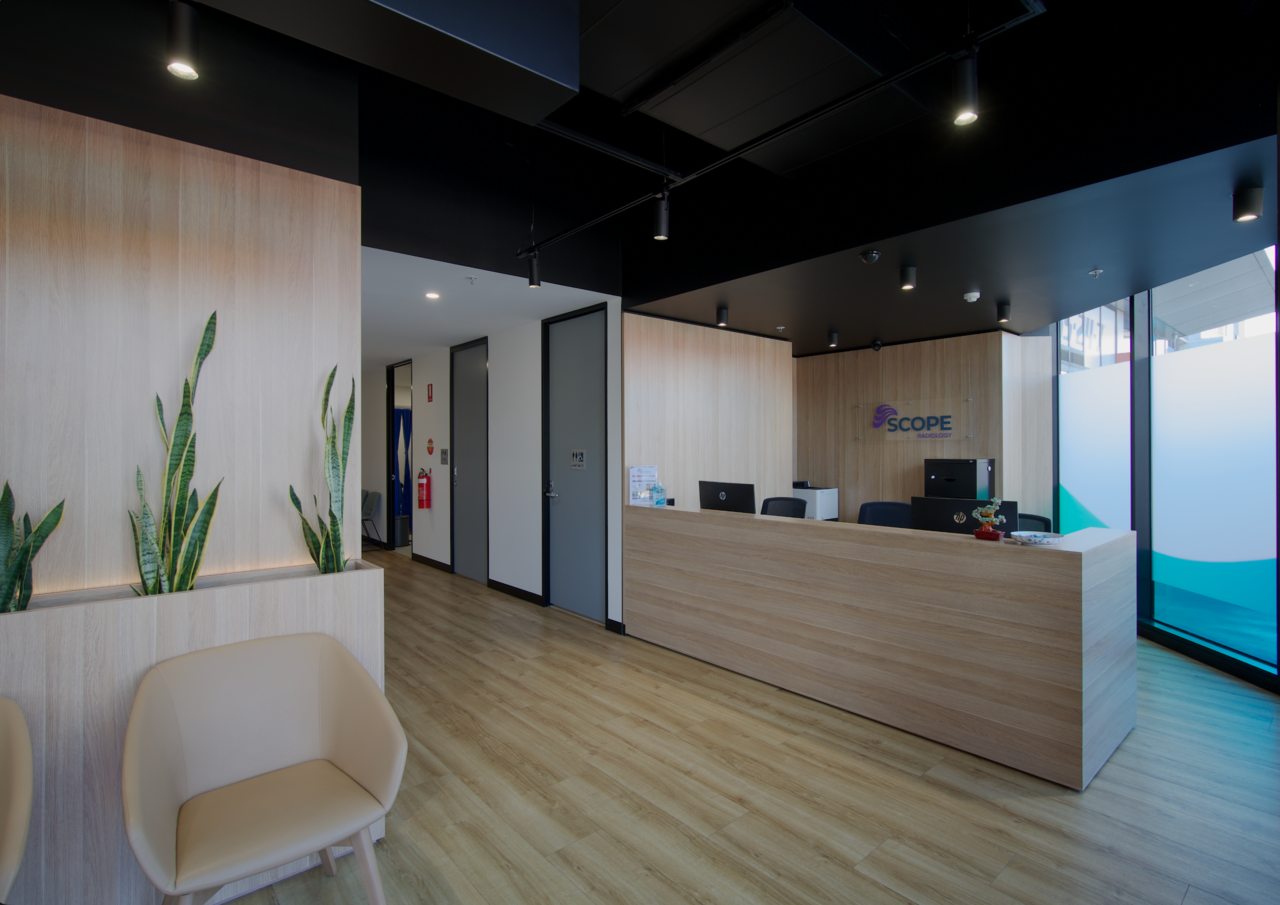
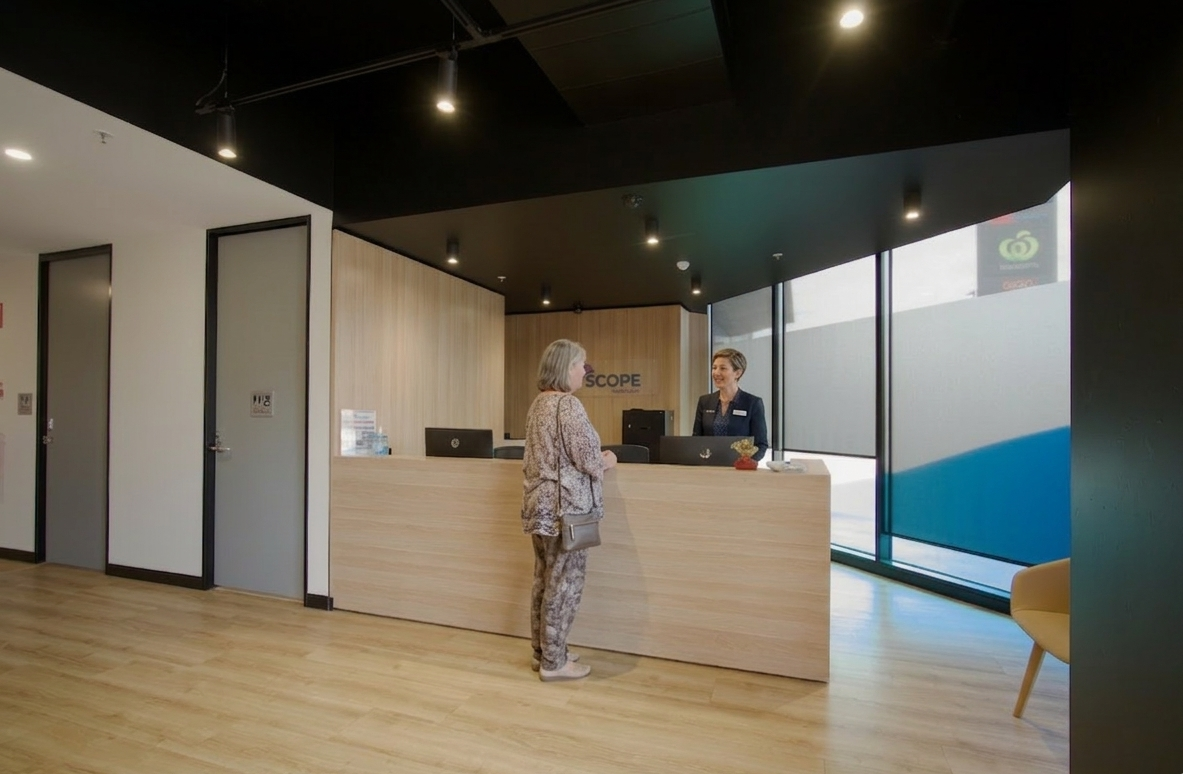
- Check-in: Our reception staff will confirm your details and referral.
- Preparation: A qualified radiographer will explain the procedure, answer your questions, and position you on the CT table. If intravenous contrast is needed, an IV line will be inserted.
- The Scan: The table will slide into the scanner. You will need to lie very still and may be asked to hold your breath briefly at certain times. The radiographer will monitor you from an adjacent room and communicate via an intercom.
- Duration: Most CT scans are relatively quick, typically taking between 10 to 30 minutes.
Your Results
After your CT scan, our Radiologists will meticulously review and interpret the detailed images. A comprehensive report will then be sent to your referring doctor, usually within 24-48 hours. Your doctor will discuss the findings with you and outline any necessary next steps for your treatment or management plan.
At Scope Radiology in Clayton, we are dedicated to providing precise, efficient, and patient-focused CT scanning services. Our advanced technology and expert team Aim to provide you receive the highest standard of diagnostic care.
Frequently Asked Questions (FAQ)
No, a CT scan itself is not painful. You will lie still on a table, and the process is generally comfortable. If contrast dye is injected, you might feel a brief warm sensation or a metallic taste in your mouth, which quickly passes.
CT scans use X-rays, so there is some radiation exposure. However, modern CT scanners are designed to use the lowest possible dose while still producing high-quality images. The benefits of an accurate diagnosis typically outweigh the small risks associated with radiation.
It depends on the type of CT scan. If your scan requires intravenous contrast, you will typically be asked to fast for a few hours beforehand. For other CT scans, there may be no dietary restrictions. Always follow the specific instructions provided by our staff.
Our Radiologists will interpret your CT images and send a detailed report to your referring doctor, usually within 24-48 hours. Urgent findings are communicated to your doctor immediately.
CTCA stands for Computed Tomography Coronary Angiogram. It is a specialized CT scan that uses contrast dye to visualize the arteries supplying the heart, helping to detect blockages or narrowing that could lead to heart disease. Scope Radiology offers advanced CTCA services.