- Home
- How to Prepare for Your Radiology Appointment? A Checklist from Scope Radiology
How to Prepare for Your Radiology Appointment? A Checklist from Scope Radiology
- March 17, 2026
Preparing for a radiology appointment can sometimes feel overwhelming, especially if it’s your first time or if you’re unsure about what to expect. Proper preparation is key to ensuring a smooth process, accurate imaging, and timely results. At Scope Radiology in Clayton, Victoria, we believe in empowering our patients with clear information. This comprehensive checklist will help you prepare for your upcoming X-ray, CT, MRI, or Ultrasound appointment, ensuring you arrive confident and ready.
General Preparation Tips (Applies to Most Scans)
These guidelines are broadly applicable to most types of medical imaging. Always refer to the specific instructions provided by our staff for your particular scan.
- Bring Your Referral: This is the most crucial item. You must have a valid referral from your GP or specialist. Without it, we cannot perform your scan, and you may not be eligible for a Medicare rebate.
- Bring Your Medicare Card & Concession Cards: Have your current Medicare card ready. If you have any concession cards (e.g., Pensioner Concession Card, Health Care Card), bring those too, as they may affect bulk billing eligibility.
- Previous Imaging Results: If you have had previous scans (X-rays, CTs, MRIs, Ultrasounds) of the same body part at another clinic, please bring the films, CDs, or reports with you. These are invaluable for comparison and help our radiologists track changes over time.
- List of Medications & Allergies: Be prepared to inform our staff about all medications you are currently taking, including over-the-counter drugs and supplements. Crucially, disclose any allergies, especially to contrast dyes (iodine or gadolinium), latex, or any other substances.
- Inform Us of Pregnancy: If there is any chance you could be pregnant, please inform your doctor and our staff immediately before your appointment. This is vital for your safety and the safety of your baby.
- Wear Comfortable Clothing: Opt for loose, comfortable clothing without metal zippers, buttons, or embellishments. Depending on the area being scanned, you may be asked to change into a gown.
- Remove Metal Objects: Before your scan, you will be asked to remove all jewelry, watches, hairpins, body piercings, and any clothing with metal. Metal can interfere with image quality and is a safety hazard for MRI scans.
- Arrive Early: Please arrive 10-15 minutes before your scheduled appointment time. This allows ample time for check-in, paperwork, and any necessary pre-scan preparations.
Key Musculoskeletal Imaging Modalities at Scope Radiology
At Scope Radiology, we employ a range of advanced imaging techniques tailored to diagnose specific MSK conditions:
1. X-ray (Radiography)
- Purpose: Often the first line of investigation for bone-related issues.
- What it Shows: Excellent for detecting fractures, dislocations, bone spurs, and changes associated with arthritis (e.g., joint space narrowing, bone erosion).
- Benefits: Quick, readily available, and cost-effective.
2. Ultrasound
- Purpose: Ideal for visualizing soft tissues in real-time.
- What it Shows: Highly effective for diagnosing tendon tears (e.g., rotator cuff, Achilles), ligament sprains, muscle tears, bursitis, fluid collections, and soft tissue masses. It can also assess dynamic movement of joints and tendons.
- Benefits: No radiation, real-time imaging, can be used to guide injections.
3. MRI (Magnetic Resonance Imaging)
- Purpose: Provides the most detailed images of soft tissues and bone marrow.
- What it Shows: Unparalleled for evaluating cartilage, menisci (in the knee), ligaments, tendons, muscle injuries, bone marrow abnormalities (e.g., stress fractures, infections, tumors), and complex joint pathology. Crucial for pre-surgical planning.
- Benefits: No radiation, superior soft tissue contrast.
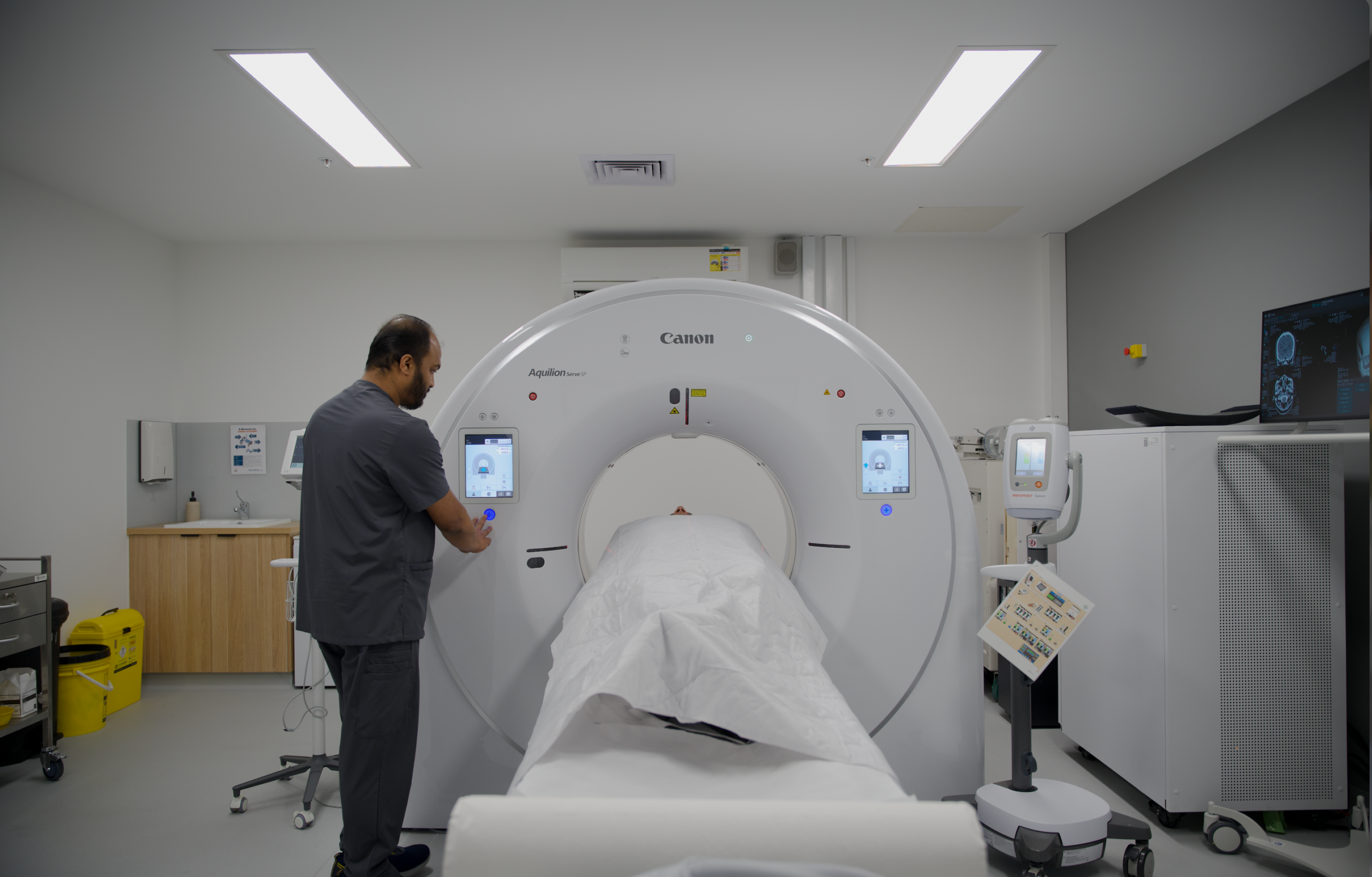
4. CT Scan (Computed Tomography)
- Purpose: Provides highly detailed cross-sectional images, particularly useful for complex bone structures.
- What it Shows: Excellent for assessing complex fractures (e.g., spine, pelvis, wrist), evaluating bone tumors, and pre-surgical planning where precise bone anatomy is required. Can also be used to guide biopsies or injections.
- Benefits: Fast, detailed bone imaging, good for trauma.
Specific Scan Preparations
While the general tips apply, certain scans have unique preparation requirements:
For CT Scans:
- Fasting: If your CT scan requires intravenous contrast (dye), you will typically need to fast for a few hours (e.g., 2-4 hours) before the scan. You may be allowed to drink clear fluids.
- Hydration: You might be asked to drink water before certain abdominal or pelvic CT scans.
For MRI Scans:
- Metal Screening: You will undergo a thorough screening for metal implants (e.g., pacemakers, certain surgical clips, cochlear implants, joint replacements) as these can be contraindications for MRI. It is crucial to be honest and thorough during this screening.
- No Fasting (Generally): Most MRI scans do not require fasting, but always confirm with our staff.
- Claustrophobia: If you experience claustrophobia, please inform us when booking. We can discuss strategies to help, such as providing eye masks, music, or arranging for a mild sedative from your doctor.
For Ultrasound Scans:
- Abdominal Ultrasound: Often requires fasting for 6-8 hours (e.g., for gallbladder, liver, pancreas). You may be allowed sips of water.
- Pelvic Ultrasound: Typically requires a full bladder. You will be asked to drink a specific amount of water before your appointment and avoid emptying your bladder.
- Kidney/Bladder Ultrasound: May also require a full bladder.
- Other Ultrasounds (e.g., MSK, Thyroid): Generally require no special preparation.
What to Expect on the Day
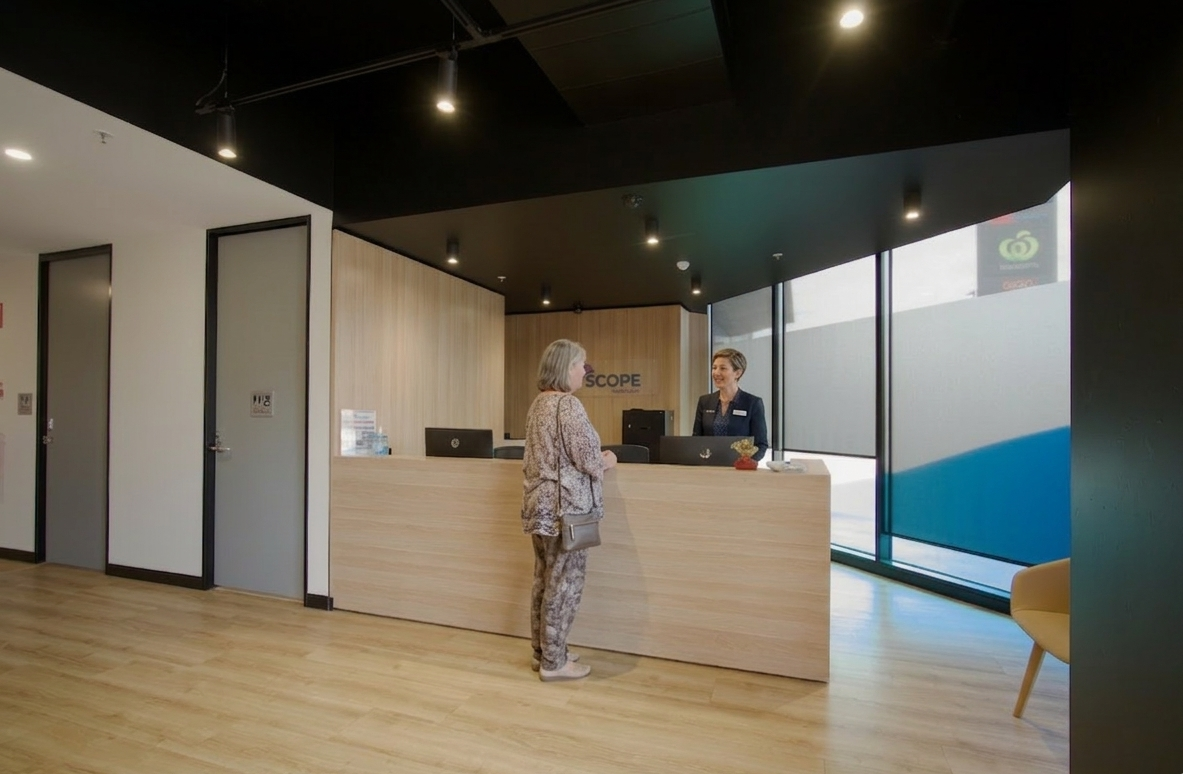
- Check-in: Present your referral and cards at reception. Complete any necessary forms.
- Consultation: A radiographer or sonographer will explain the procedure, answer your questions, and guide you through any final preparations.
- The Scan: You will be positioned for the scan. It is crucial to remain still during the imaging process. The staff will communicate with you throughout.
- Post-Scan: For most scans, you can resume normal activities immediately. If you received contrast, you might be advised to drink extra fluids.
At Scope Radiology in Clayton, our dedicated team is here to Aim to provide your radiology experience is as comfortable and efficient as possible. Following this checklist and our specific instructions will help us provide you with the best possible care and accurate diagnostic results.
Frequently Asked Questions (FAQ)
Without a valid referral, we cannot perform your scan. We may be able to contact your doctor to obtain one, but this could cause delays. It’s always best to double-check before you leave home.
Yes, you are welcome to bring a support person with you. For some scans, they may be able to be in the room with you, but this depends on the type of scan and safety protocols (especially for X-ray and CT).
Please call us as soon as possible if you anticipate being late. While we will do our best to accommodate you, significant delays may require rescheduling your appointment to avoid impacting other patients.
Generally, no. Continue all your regular medications unless specifically instructed otherwise by your referring doctor or our staff. Always inform us of all medications you are taking.
Please do not hesitate to contact Scope Radiology directly. Our friendly staff are available to answer any specific questions or concerns you may have regarding your upcoming appointment and preparation.