- Home
- Detecting Heart Conditions with Advanced CTCA Scans
Detecting Heart Conditions with Advanced CTCA Scans
- March 17, 2026
Heart disease remains a leading cause of morbidity and mortality worldwide. Early and accurate detection of coronary artery disease (CAD) is crucial for effective prevention and treatment, significantly improving patient outcomes. While traditional diagnostic methods have their place, advancements in medical imaging, particularly Computed Tomography Coronary Angiography (CTCA), have revolutionized our ability to visualize the heart’s arteries non-invasively. At Scope Radiology in Clayton, Victoria, we offer state-of-the-art CTCA scans, providing detailed insights into your cardiac health.
What is a CTCA Scan?
A CTCA (Computed Tomography Coronary Angiogram) is a specialized type of CT scan that uses advanced X-ray technology and an injected contrast dye to produce highly detailed, three-dimensional images of the coronary arteries – the blood vessels that supply oxygen-rich blood to your heart muscle. This non-invasive procedure allows radiologists to detect and assess the presence, location, and severity of plaque buildup (atherosclerosis) or blockages in these crucial arteries.
How Does a CTCA Scan Work?
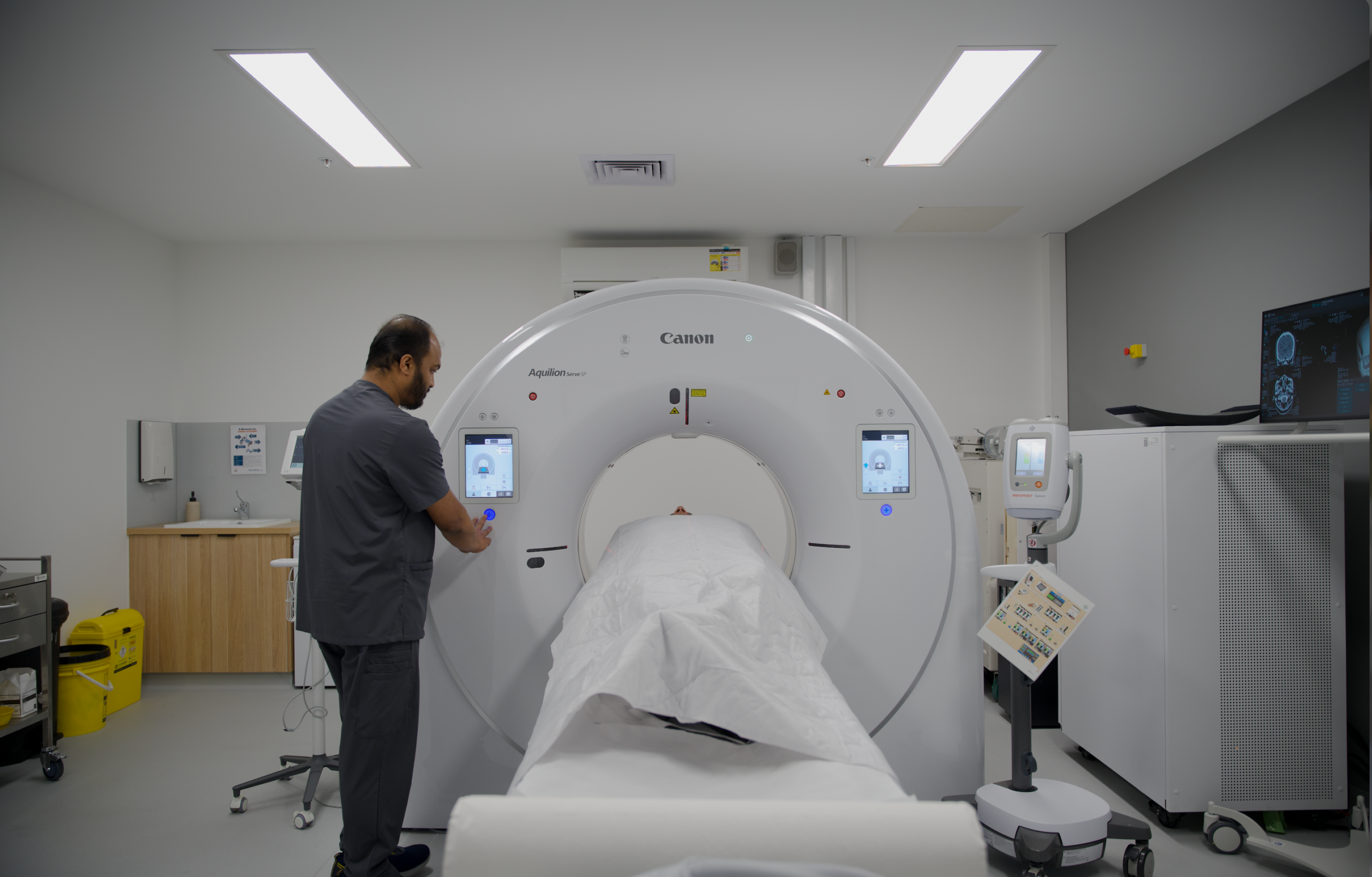
During a CTCA scan, you will lie on a comfortable table that moves through a CT scanner. A contrast dye is injected into a vein, typically in your arm. This dye travels through your bloodstream, highlighting your coronary arteries on the CT images. The CT scanner rapidly acquires multiple images as the dye flows through your heart. To Aim to provide clear images, your heart rate may be temporarily slowed with medication (e.g., beta-blockers) and you will be asked to hold your breath for short periods.
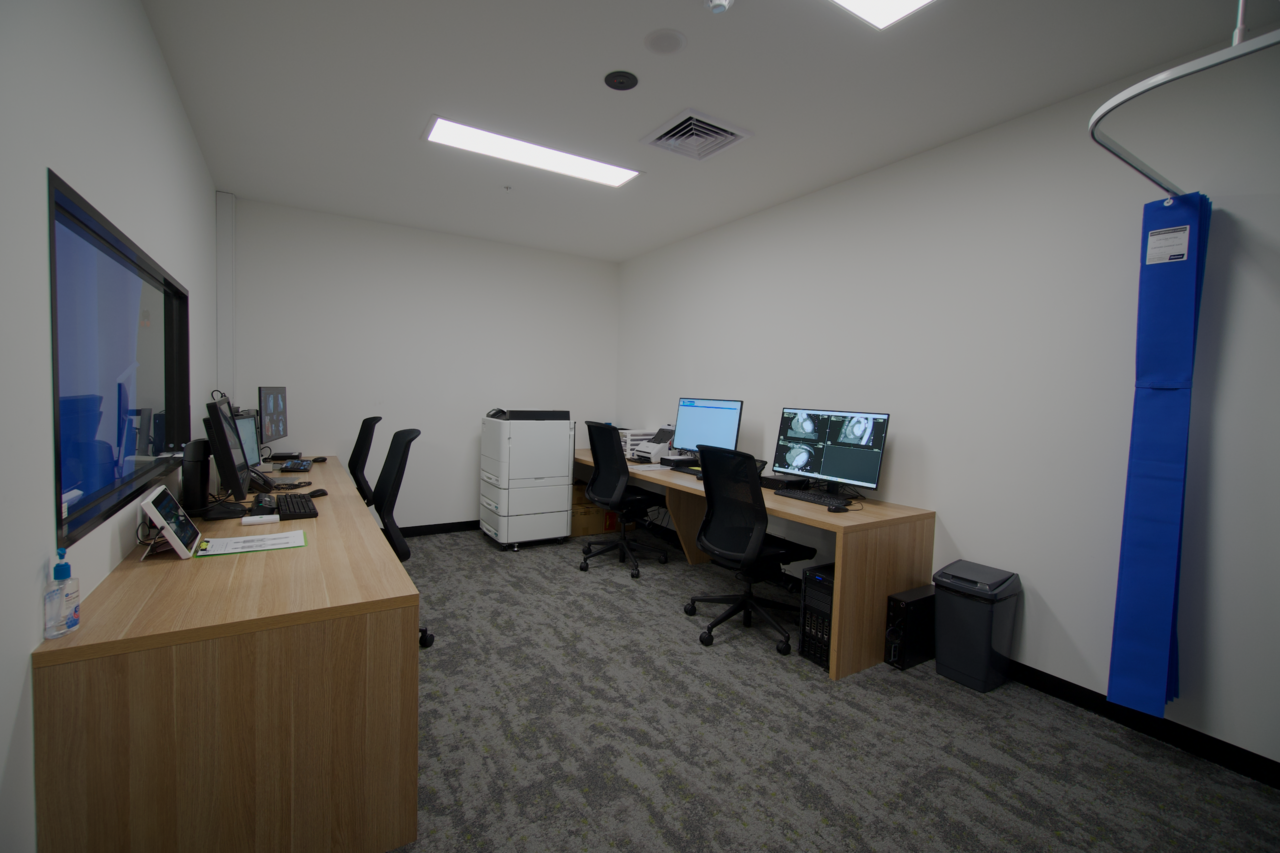
The images are then processed by a powerful computer to create detailed cross-sectional views and 3D reconstructions of your coronary arteries, allowing our Radiologists to meticulously examine them for any abnormalities.
Why is CTCA Important for Detecting Heart Conditions?
CTCA offers several significant advantages in the diagnosis and management of heart conditions:
- Non-Invasive: Unlike traditional catheter angiography, CTCA does not require an invasive procedure, reducing risks and recovery time.
- Early Detection of Atherosclerosis: It can detect plaque buildup in the coronary arteries even before symptoms develop, allowing for early intervention and lifestyle modifications.
- High Accuracy: CTCA is highly accurate in ruling out significant coronary artery disease, often preventing the need for more invasive tests.
- Detailed Visualization: Provides comprehensive anatomical information about the coronary arteries, including the extent and characteristics of plaque.
- Risk Stratification: Helps doctors assess your risk of future cardiac events, guiding personalized treatment plans.
Who Might Benefit from a CTCA Scan?
Your doctor may recommend a CTCA scan if you have:
- Atypical Chest Pain: When the cause of chest pain is unclear.
- Intermediate Risk for Coronary Artery Disease: Based on risk factors like high cholesterol, high blood pressure, diabetes, smoking, or family history.
- Unclear Stress Test Results: If other cardiac stress tests are inconclusive.
- New or Worsening Symptoms: Suggestive of coronary artery disease.
- Pre-Operative Assessment: Before certain non-cardiac surgeries in patients with cardiac risk factors.
Generally, very little preparation is needed for an X-ray. Here’s what you should know:
Preparing for Your CTCA Scan
Preparation is crucial for an accurate CTCA scan. Our team will provide detailed instructions, but generally, you can expect:
- Fasting: You will typically need to fast for a few hours (e.g., 4 hours) before the scan.
- Medications: Discuss all your medications with your doctor and our staff. You may be asked to temporarily stop certain medications (e.g., Viagra, Cialis) or take a beta-blocker to slow your heart rate.
- Avoid Stimulants: Avoid caffeine, energy drinks, and smoking for 12-24 hours before the scan.
- Allergies: Inform us of any allergies, especially to contrast dyes, iodine, or shellfish.
- Pregnancy: If there is any chance you could be pregnant, please inform your doctor and our radiographer immediately.
- Referral: Always bring your valid doctor’s referral.
What to Expect During the Procedure
At Scope Radiology Clayton, our experienced team will guide you through the CTCA process:
- Check-in & Preparation: You will be greeted by our reception staff. A nurse or radiographer will review your medical history, check your blood pressure and heart rate, and insert an intravenous (IV) line for contrast and potentially heart rate-lowering medication.
- The Scan: You will lie on a CT table. Electrodes will be placed on your chest to monitor your heart rhythm. The contrast dye will be injected, and the scanner will acquire images rapidly. You will be asked to hold your breath for short periods.
- Duration: The actual scan is very quick, but the entire appointment, including preparation, can take 60-90 minutes.
Your Results
Our specialist cardiac radiologists will meticulously analyze the detailed images from your CTCA scan. A comprehensive report will then be sent to your referring doctor, typically within 24-48 hours. Your doctor will discuss the findings with you and formulate the most appropriate management plan for your cardiac health.
At Scope Radiology in Clayton, we are dedicated to utilizing cutting-edge technology like CTCA to provide precise and early detection of heart conditions, contributing significantly to the cardiovascular health of our community. Trust us for advanced cardiac imaging with compassionate care.
Frequently Asked Questions (FAQ)
The CTCA scan itself is not painful. You might feel a brief sting when the IV is inserted and a warm sensation when the contrast dye is injected. Some patients may experience a temporary metallic taste in their mouth.
Modern CTCA scanners at Scope Radiology use advanced techniques to minimize radiation exposure while maintaining high image quality. The benefits of accurately diagnosing potentially life-threatening heart conditions typically outweigh the small risks associated with radiation.
You will typically need to fast for about 4 hours before your CTCA scan. You may be allowed to drink clear fluids. Specific instructions will be provided by our staff.
A slower heart rate is crucial for clear CTCA images. If your heart rate is too high, medication (like a beta-blocker) may be administered before the scan to temporarily slow it down. This will be discussed with you by our medical staff.
CTCA is highly accurate, especially in ruling out significant coronary artery disease. It provides detailed anatomical information about the coronary arteries, helping doctors make informed decisions about your cardiac health.